Pantheons
Pantheons are groups of related gods worshiped either individually or collectively, and are often associated with a specific ancestry or geopolitical region.
Followers commonly direct prayers to whichever god presides over their current activity or circumstance, though some may dedicate their life in servitude to a single god or subset thereof. Devout followers may find themselves rewarded with various boons, notably Divine magic.
Golarion Deities
Golarion draws the interest and intervention of many deities, including some ascended from its ranks of mortal beings through supernatural forces. Deities are often grouped by their followers’ region or ancestry, though their power is rarely limited to such demographics.
Major Deities
-
Deity Alignment Portfolio Domains Erastil LG God of farming, hunting, trade, family Agriculture, Forge, Hunting, Life, Nature, Protection Iomedae LG Goddess of valor, rulership, justice, honor Life, Order, War Torag LG God of the forge, protection, strategy Forge, Order, Protection, Strength, War Sarenrae NG Goddess of the sun, redemption Life, Light, Repose Shelyn NG Goddess of beauty, art, love, music Celebration, Charm, Forge, Life Desna CG Goddess of dreams, stars, travelers, luck Fate, Life, Luck, Ocean Cayden Cailean CG God of freedom, wine, bravery Celebration, Chaos, Charm, Trickery Abadar LN God of cities, wealth, merchants, law Balance, Life, Order Irori LN God of history, knowledge, self-perfection Knowledge, Life, Order, Strength Gozreh N God of nature, weather, the sea Nature, Ocean, Survival, Tempest, Winter Pharasma N Goddess of fate, death, prophecy, birth Balance, Death, Fate, Life, Repose Nethys N God of magic Arcana, Knowledge Gorum CN God of strength, battle, weapons Forge, Life, Strength, War Calistria CN Goddess of trickery, lust, revenge Celebration, Charm, Trickery, Vengeance Asmodeus LE God of tyranny, slavery, pride, contracts Balance, Fate, Order, Strength, War Zon-Kuthon LE God of envy, pain, darkness, loss Death, Order Urgathoa NE Goddess of gluttony, disease, undeath Death, War Norgorber NE God of greed, secrets, poison, murder Death, Hunting, Knowledge, Trickery Lamashtu CE Goddess of madness, monsters, nightmares Chaos, Death, Hunting, Survival, Trickery Rovagug CE God of wrath, disaster, destruction Death, Desert, Strength, Tempest, War Deity descriptions
-
Erastil, Old Deadeye
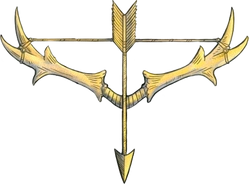 Unlike many other good deities, Erastil does not send his followers out into the world to fight and crush evil.
Eschewing crusades and other ventures that take his followers away from their homes, Erastil watches over those who devote their lives to family and community.
He is primarily an agricultural deity, specifically focusing on those aspects of nature that either can be tamed or are of use to his followers.
His domain encompasses the plants and animals that farmers, hunters, and ranchers deal with in their everyday lives.
While he is a protective deity, Erastil steps in only when quiet, pastoral lives are threatened.
He desires his followers to live their lives in peace, with no risk of being conscripted into armies, devoured by monsters, or destroyed by magic.
Unlike many other good deities, Erastil does not send his followers out into the world to fight and crush evil.
Eschewing crusades and other ventures that take his followers away from their homes, Erastil watches over those who devote their lives to family and community.
He is primarily an agricultural deity, specifically focusing on those aspects of nature that either can be tamed or are of use to his followers.
His domain encompasses the plants and animals that farmers, hunters, and ranchers deal with in their everyday lives.
While he is a protective deity, Erastil steps in only when quiet, pastoral lives are threatened.
He desires his followers to live their lives in peace, with no risk of being conscripted into armies, devoured by monsters, or destroyed by magic. -
Iomedae, The Inheritor
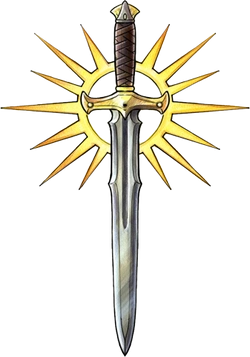 Iomedae, the youngest among the prominent deities of Golarion, had already proven herself worthy of divinity before her ascension.
She was born a mortal, becoming a knight of legend through her victories over evil against overwhelming odds.
Iomedae ascended to divinity through the Test of the Starstone, taking her place as Aroden’s divine herald.
When Aroden himself died, Iomedae inherited most of his worshipers and became a major deity of honor and justice.
She stands for justice, courage, honor, truth, and the defense of the innocent, urging her followers to confront tyranny and evil with both strength and compassion.
Iomedae, the youngest among the prominent deities of Golarion, had already proven herself worthy of divinity before her ascension.
She was born a mortal, becoming a knight of legend through her victories over evil against overwhelming odds.
Iomedae ascended to divinity through the Test of the Starstone, taking her place as Aroden’s divine herald.
When Aroden himself died, Iomedae inherited most of his worshipers and became a major deity of honor and justice.
She stands for justice, courage, honor, truth, and the defense of the innocent, urging her followers to confront tyranny and evil with both strength and compassion. -
Torag, Father of Creation
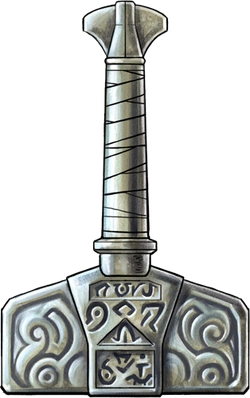 Torag is a stoic and serious god who values honor, planning, and well-made steel.
He teaches that a worthy life is built through patience, honest work, loyalty, and determination.
Torag values builders, guardians, artisans, and anyone who takes pride in creating something lasting, whether that means forging a weapon, raising a family, strengthening a community, or simply standing firm when others need support.
Torag is a stoic and serious god who values honor, planning, and well-made steel.
He teaches that a worthy life is built through patience, honest work, loyalty, and determination.
Torag values builders, guardians, artisans, and anyone who takes pride in creating something lasting, whether that means forging a weapon, raising a family, strengthening a community, or simply standing firm when others need support. -
Sarenrae, The Dawnflower
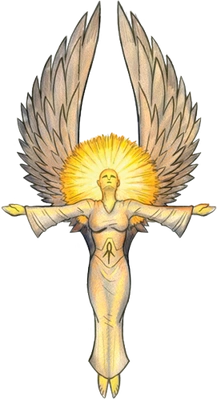 Known to her faithful as the Dawnflower, Sarenrae is one of the most popular deities on Golarion by virtue of her association with the life-giving sun and her perpetual offer to help anyone be their best, even when they have made mistakes.
Most people thank her for her kind work to channel the sun’s power for everyone’s safety and livelihood, and thank her clergy for granting her healing power to all who need it.
Mortals look to the Dawnflower as an example of boundless love, exquisite kindness, and true patience.
They pray to her to heal the sick, lift up the downtrodden, and illuminate darkness of circumstance as well as darkness of spirit.
Her followers aspire to emulate her through generosity, nurturing, truthfulness, and selfless courage.
They oppose evil everywhere with words first, and when necessary, with scimitar and flame.
Known to her faithful as the Dawnflower, Sarenrae is one of the most popular deities on Golarion by virtue of her association with the life-giving sun and her perpetual offer to help anyone be their best, even when they have made mistakes.
Most people thank her for her kind work to channel the sun’s power for everyone’s safety and livelihood, and thank her clergy for granting her healing power to all who need it.
Mortals look to the Dawnflower as an example of boundless love, exquisite kindness, and true patience.
They pray to her to heal the sick, lift up the downtrodden, and illuminate darkness of circumstance as well as darkness of spirit.
Her followers aspire to emulate her through generosity, nurturing, truthfulness, and selfless courage.
They oppose evil everywhere with words first, and when necessary, with scimitar and flame. -
Shelyn, The Eternal Rose
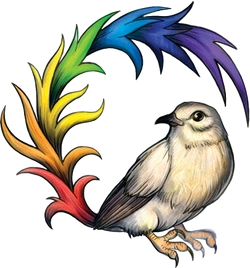 Shelyn watches over existence with a kind and loving eye, encouraging mortals to make the best of their lives by spreading love, art, and beauty as best they can.
Even the crudest artistic awakenings are worthy of praise in the goddess’s eyes, as they represent an individual’s expression of life’s trials and triumphs.
She believes every creature is worthy of love and capable of creating art in their own way.
Shelyn followers do not require chastity, fidelity, or a particular relationship structure, as the passion of early romance is a facet of love just as important and valid as the comfortable trust between a long-married couple.
However, she does make the distinction between courtship and pure carnal desire, and she prefers that trysts blossom into more meaningful relationships along the way.
Shelyn watches over existence with a kind and loving eye, encouraging mortals to make the best of their lives by spreading love, art, and beauty as best they can.
Even the crudest artistic awakenings are worthy of praise in the goddess’s eyes, as they represent an individual’s expression of life’s trials and triumphs.
She believes every creature is worthy of love and capable of creating art in their own way.
Shelyn followers do not require chastity, fidelity, or a particular relationship structure, as the passion of early romance is a facet of love just as important and valid as the comfortable trust between a long-married couple.
However, she does make the distinction between courtship and pure carnal desire, and she prefers that trysts blossom into more meaningful relationships along the way. -
Desna, The Song of the Spheres
 The night didn’t know beauty until Desna came into existence.
While the other gods toiled away to create the world, she set her sights on the heavens, placing each star in the sky.
After surveying her artistry, she hung the brightest star high in the north and made it her home.
Her first gift to mortals was this beacon of hope, a twinkling sign in the dark sky that they could turn to when lost or unsure of themselves.
Desna provides safe passage through the darkness to all, should they choose to follow.
The night didn’t know beauty until Desna came into existence.
While the other gods toiled away to create the world, she set her sights on the heavens, placing each star in the sky.
After surveying her artistry, she hung the brightest star high in the north and made it her home.
Her first gift to mortals was this beacon of hope, a twinkling sign in the dark sky that they could turn to when lost or unsure of themselves.
Desna provides safe passage through the darkness to all, should they choose to follow. -
Cayden Cailean, The Accidental God
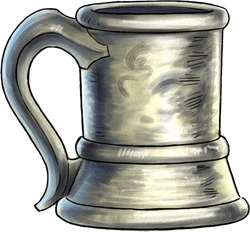 Once a mortal human, Cayden was a sellsword of no small fame, known for his boisterous manner, skill with a blade, and fearless resolve.
During a particularly rowdy night of drinking, a series of escalating dares led the wandering mercenary to attempt the Test of the Starstone.
He emerged from the Starstone Cathedral three days later, laughing, a fully realized god.
Divine responsibility did little to change his attitude from what it was in his mortal life.
He continues to crave adventure, drink, and pleasurable company while abhorring bullies, tyrants, and cowards.
Once a mortal human, Cayden was a sellsword of no small fame, known for his boisterous manner, skill with a blade, and fearless resolve.
During a particularly rowdy night of drinking, a series of escalating dares led the wandering mercenary to attempt the Test of the Starstone.
He emerged from the Starstone Cathedral three days later, laughing, a fully realized god.
Divine responsibility did little to change his attitude from what it was in his mortal life.
He continues to crave adventure, drink, and pleasurable company while abhorring bullies, tyrants, and cowards. -
Abadar, Master of the First Vault
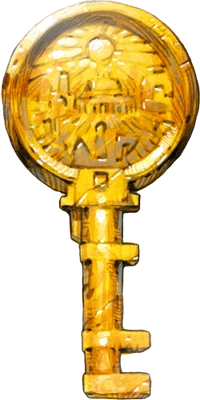 Abadar is worshiped as the god of cities, law, merchants, and wealth.
Abadar’s cathedral-banks are found in many cities and places where order thrives or is gaining a foothold.
Aristocrats, city guards, merchants, and those working in legal practice or who have the well-being of their community on their mind are common worshipers of the god of cities.
Abadaran priests living in cities often serve as judges, lawyers, and clerks, while those who live on the frontier work as roving magistrates, acting as judge, jury, and executioners in the name of order.
Abadar is worshiped as the god of cities, law, merchants, and wealth.
Abadar’s cathedral-banks are found in many cities and places where order thrives or is gaining a foothold.
Aristocrats, city guards, merchants, and those working in legal practice or who have the well-being of their community on their mind are common worshipers of the god of cities.
Abadaran priests living in cities often serve as judges, lawyers, and clerks, while those who live on the frontier work as roving magistrates, acting as judge, jury, and executioners in the name of order. -
Irori, Master of Masters
 Irori exemplifies the concepts of self-perfection.
His dogma states that he was a mortal who gained godhood through achieving a physical and mental state that surpassed mortal limitations.
His followers seek to emulate their god’s divine state by perfecting themselves using the words of the Unbinding of Fetters, Irori’s sacred text.
The illuminated pages of the tome detail numerous physical, spiritual, and mental exercises, as well as methods of learning and remembering.
Irori exemplifies the concepts of self-perfection.
His dogma states that he was a mortal who gained godhood through achieving a physical and mental state that surpassed mortal limitations.
His followers seek to emulate their god’s divine state by perfecting themselves using the words of the Unbinding of Fetters, Irori’s sacred text.
The illuminated pages of the tome detail numerous physical, spiritual, and mental exercises, as well as methods of learning and remembering. -
Gozreh, The Wind and the Waves
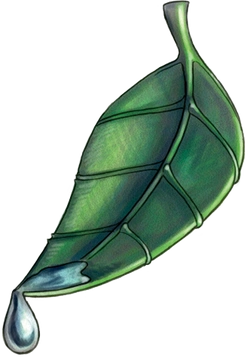 A timeless entity birthed from the first wind to stir the vast oceans, Gozreh wanders the world in the air and the seas.
Sailors drop boxes of cargo as offerings to avoid a fatal storm, hoping to please the Wind and the Waves, even though they know that such pleas are far more likely to go unnoticed as they are to draw their deity’s attention.
The deity’s temperament is fickle and their fury swift, hurling bolts of lightning and dragging to the crushing depths those who dare befoul the natural world.
Gozreh is the sea that encapsulates the land and the wind that moves its surface, the birds that traverse the sky and the clouds that shield them.
A timeless entity birthed from the first wind to stir the vast oceans, Gozreh wanders the world in the air and the seas.
Sailors drop boxes of cargo as offerings to avoid a fatal storm, hoping to please the Wind and the Waves, even though they know that such pleas are far more likely to go unnoticed as they are to draw their deity’s attention.
The deity’s temperament is fickle and their fury swift, hurling bolts of lightning and dragging to the crushing depths those who dare befoul the natural world.
Gozreh is the sea that encapsulates the land and the wind that moves its surface, the birds that traverse the sky and the clouds that shield them. -
Pharasma, The Lady of Graves
 No record of history, and not even other gods, can recall a time before Pharasma.
Her throne lies within a vast, gothic cathedral located on the infinite Spire at the center of the planes.
From here, she looks both forward and backward in time, observing the births, lives, and deaths of every soul, as she serves as the final arbiter of a soul’s destination after death.
Psychopomp servants of Pharasma guide and safeguard newly dead souls along the River of Souls to her realm, where she judges each soul and ensures it is sent to the proper plane for its afterlife, according to its alignment and mortal deeds.
Although she can see all possible fates and knows the fate of each individual, free will and choice can alter a soul’s final destination, and she places great weight on the individual’s actions and personal choices.
Therefore, Pharasma withholds her final judgment until a soul stands before her.
Her prophecies are cryptic, and their full meanings are rarely revealed until the foretold events occur.
No record of history, and not even other gods, can recall a time before Pharasma.
Her throne lies within a vast, gothic cathedral located on the infinite Spire at the center of the planes.
From here, she looks both forward and backward in time, observing the births, lives, and deaths of every soul, as she serves as the final arbiter of a soul’s destination after death.
Psychopomp servants of Pharasma guide and safeguard newly dead souls along the River of Souls to her realm, where she judges each soul and ensures it is sent to the proper plane for its afterlife, according to its alignment and mortal deeds.
Although she can see all possible fates and knows the fate of each individual, free will and choice can alter a soul’s final destination, and she places great weight on the individual’s actions and personal choices.
Therefore, Pharasma withholds her final judgment until a soul stands before her.
Her prophecies are cryptic, and their full meanings are rarely revealed until the foretold events occur. -
Nethys, The All-Seeing Eye
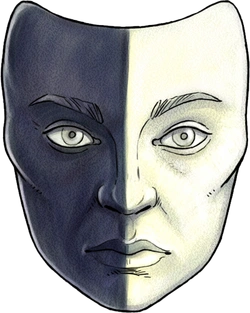 Nethys was revered as a god-king in ancient Osirion.
Having sought to unlock all of the secrets and potential held within the planes and beyond, Nethys shattered his own mind from the sheer overload of knowledge to which he was exposed.
Witnessing all of creation, the secrets of the universe, and the vast expanse of what has been seen and will be seen rent his mind in the same moment he elevated to the status of a god.
Nethys gained unlimited power and the skill to utilize it, but at the cost of his core self and mental security.
This resulted in a split soul, two sides warring within the same body.
One seeks to destroy the world, to purge it through fire and ruin, and to conquer all that exists.
The other attempts to protect the world, to elevate and educate, and to release it from its limits.
Nethys was revered as a god-king in ancient Osirion.
Having sought to unlock all of the secrets and potential held within the planes and beyond, Nethys shattered his own mind from the sheer overload of knowledge to which he was exposed.
Witnessing all of creation, the secrets of the universe, and the vast expanse of what has been seen and will be seen rent his mind in the same moment he elevated to the status of a god.
Nethys gained unlimited power and the skill to utilize it, but at the cost of his core self and mental security.
This resulted in a split soul, two sides warring within the same body.
One seeks to destroy the world, to purge it through fire and ruin, and to conquer all that exists.
The other attempts to protect the world, to elevate and educate, and to release it from its limits. -
Gorum, Our Lord In Iron
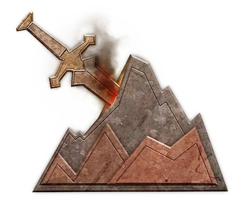 The clash of steel, the cry of victory, the gasping denial of death: these are the sound of prayers to Our Lord in Iron, for to follow Gorum is to fight.
Gorum does not care the reason for battle — a village’s desperate stand against raiders is no less worthwhile to him than a crusader army marching against demons in the Sarkoris Scar — nor does he choose sides in such clashes.
Good or evil, law or chaos, the reason for the fight is irrelevant.
It is the thrill of battle that finds his favor, the crucible of struggle in which victory is there for the taking.
The clash of steel, the cry of victory, the gasping denial of death: these are the sound of prayers to Our Lord in Iron, for to follow Gorum is to fight.
Gorum does not care the reason for battle — a village’s desperate stand against raiders is no less worthwhile to him than a crusader army marching against demons in the Sarkoris Scar — nor does he choose sides in such clashes.
Good or evil, law or chaos, the reason for the fight is irrelevant.
It is the thrill of battle that finds his favor, the crucible of struggle in which victory is there for the taking. -
Calistria, The Savored Sting
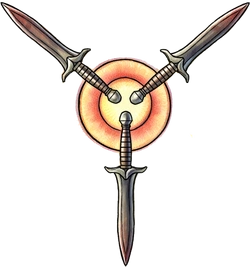 As symbolized by the three daggers of her religious symbol, Calistria has three aspects: lust, revenge, and trickery.
Silver-tongued and charming, she is a master of weaving insults into compliments and laying intricate groundwork for retribution at its finest.
She is a goddess of vengeance, but it would be a mistake to assume that means she pursues justice.
Calistria is fickle, shifting her loyalties and interests as her whims take her — though she never forgets a slight, and any who think she has forgiven will surely find it is only a matter of time before they are targeted by a long-term plot of revenge to lay them thoroughly low.
As symbolized by the three daggers of her religious symbol, Calistria has three aspects: lust, revenge, and trickery.
Silver-tongued and charming, she is a master of weaving insults into compliments and laying intricate groundwork for retribution at its finest.
She is a goddess of vengeance, but it would be a mistake to assume that means she pursues justice.
Calistria is fickle, shifting her loyalties and interests as her whims take her — though she never forgets a slight, and any who think she has forgiven will surely find it is only a matter of time before they are targeted by a long-term plot of revenge to lay them thoroughly low. -
Asmodeus, The Prince of Darkness
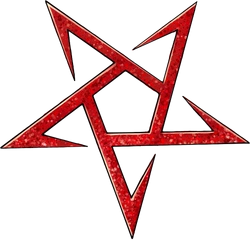 Asmodeus is the First, the Dark Prince, the lord of darkness and law, and the ruler of the plane of Hell.
If Asmodeus’s own scriptures are to believed — and they are corroborated by certain other accounts, like the angel-penned Book of the Damned — he is one of the oldest beings of the multiverse.
These texts claim that in time before time, in a world not yet created, Asmodeus and his brother Ihys were among the first gods in existence.
During these unnamed ages, the two gods quarreled over the fate of the souls of their creations, and Asmodeus slew his brother.
Confident that Ihys’s act of granting mortals free will was folly, Asmodeus made his own convictions known: that existence is best served by absolute order and discipline.
These claims contradict other popular creation myths, and both theologians and immortal agents of the gods doubt Asmodeus’s claims to varying degrees, but while there is no evidence to prove them, they are also difficult to refute.
Asmodeus is the First, the Dark Prince, the lord of darkness and law, and the ruler of the plane of Hell.
If Asmodeus’s own scriptures are to believed — and they are corroborated by certain other accounts, like the angel-penned Book of the Damned — he is one of the oldest beings of the multiverse.
These texts claim that in time before time, in a world not yet created, Asmodeus and his brother Ihys were among the first gods in existence.
During these unnamed ages, the two gods quarreled over the fate of the souls of their creations, and Asmodeus slew his brother.
Confident that Ihys’s act of granting mortals free will was folly, Asmodeus made his own convictions known: that existence is best served by absolute order and discipline.
These claims contradict other popular creation myths, and both theologians and immortal agents of the gods doubt Asmodeus’s claims to varying degrees, but while there is no evidence to prove them, they are also difficult to refute. -
Zon-Kuthon, The Midnight Lord
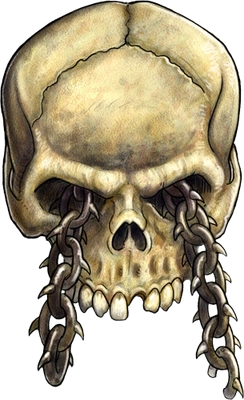 The Midnight Lord embodies and glorifies pain, shadows, and mutilation, and he is one of the most twisted and malevolent gods on the face of Golarion.
Once known as Dou-Bral, a deity of art, beauty and love, a divine argument between him and his sister Shelyn resulted in the god departing for parts unknown.
Zon-Kuthon traveled beyond the edges of the multiverse and stared into the face of the incomprehensible things that dwell there.
No one knows what he found in that place, but he returned — changed, but claiming to be strengthened by what he had endured.
The Midnight Lord embodies and glorifies pain, shadows, and mutilation, and he is one of the most twisted and malevolent gods on the face of Golarion.
Once known as Dou-Bral, a deity of art, beauty and love, a divine argument between him and his sister Shelyn resulted in the god departing for parts unknown.
Zon-Kuthon traveled beyond the edges of the multiverse and stared into the face of the incomprehensible things that dwell there.
No one knows what he found in that place, but he returned — changed, but claiming to be strengthened by what he had endured. -
Urgathoa, The Pallid Princess
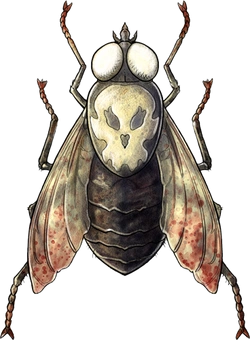 The chosen of Urgathoa do not dread the flaws of mortal flesh, such as aging, disease, or even death, for so long as they indulge in excess above all else, their goddess offers eternal freedom from such fickle constraints.
Urgathoa herself was once a mortal woman who challenged and rejected the tenets of deities whose followers expected mindless conformity, temperance, and restraint.
Why would the gods craft Golarion into a near-endless buffet abundant with pleasures of the body and mind if the living weren’t destined to feast from it?
Urgathoa so loved satiating her life’s appetites that in death, she spat in the face of Pharasma’s judgment, murdered the psychopomp assigned to aid her transition to the afterlife, and tore herself from the Boneyard with a feat of will that not only returned her to the Material Plane but also transformed her into the first divine undead creature.
The chosen of Urgathoa do not dread the flaws of mortal flesh, such as aging, disease, or even death, for so long as they indulge in excess above all else, their goddess offers eternal freedom from such fickle constraints.
Urgathoa herself was once a mortal woman who challenged and rejected the tenets of deities whose followers expected mindless conformity, temperance, and restraint.
Why would the gods craft Golarion into a near-endless buffet abundant with pleasures of the body and mind if the living weren’t destined to feast from it?
Urgathoa so loved satiating her life’s appetites that in death, she spat in the face of Pharasma’s judgment, murdered the psychopomp assigned to aid her transition to the afterlife, and tore herself from the Boneyard with a feat of will that not only returned her to the Material Plane but also transformed her into the first divine undead creature. -
Norgorber, King of Thieves
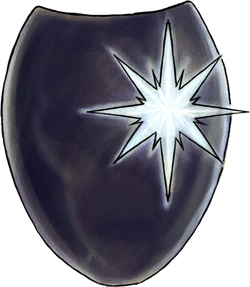 Norgorber is the most mysterious of the mortals who assumed godhood after passing the Test of the Starstone.
Unlike Iomedae’s and Cayden Cailean’s mortal existences, Norgorber’s life before his ascension is a mystery; the god himself has shrouded details of his mortal life in secrecy.
This is no surprise to those familiar with Norgorber — he is the master of all secrets, a calculating manipulator who cleverly and ruthlessly wields the power of hidden knowledge to achieve his own ends.
Only his most trusted worshipers know enough about his goals to assist in the god’s plans, and even those worshipers often have their memories modified after their parts in Norgorber’s schemes are complete.
Norgorber is the most mysterious of the mortals who assumed godhood after passing the Test of the Starstone.
Unlike Iomedae’s and Cayden Cailean’s mortal existences, Norgorber’s life before his ascension is a mystery; the god himself has shrouded details of his mortal life in secrecy.
This is no surprise to those familiar with Norgorber — he is the master of all secrets, a calculating manipulator who cleverly and ruthlessly wields the power of hidden knowledge to achieve his own ends.
Only his most trusted worshipers know enough about his goals to assist in the god’s plans, and even those worshipers often have their memories modified after their parts in Norgorber’s schemes are complete. -
Lamashtu, Mother of Monsters
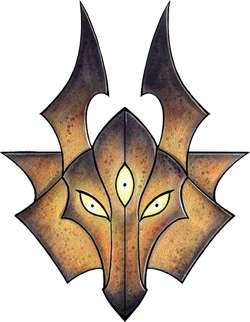 Once a mighty demon lord, Lamashtu stole the godly domain of beasts from a now long-forgotten god, starting her ancient vendetta with that god’s protégée, Desna.
Lamashtu revels in corruption of the pure.
The physical changes and nightmares left by her interventions are treated as gifts by her followers and unwelcome terrors by the outside world.
There are some that find respite or even a family among Lamashtu’s followers due to the faith’s greater acceptance of differences.
Once a mighty demon lord, Lamashtu stole the godly domain of beasts from a now long-forgotten god, starting her ancient vendetta with that god’s protégée, Desna.
Lamashtu revels in corruption of the pure.
The physical changes and nightmares left by her interventions are treated as gifts by her followers and unwelcome terrors by the outside world.
There are some that find respite or even a family among Lamashtu’s followers due to the faith’s greater acceptance of differences. -
Rovagug, The Rough Beast
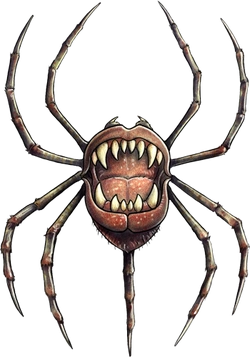 Rovagug has no single holy scripture.
He has little use for one, for his sole commandment is to destroy, and his followers need no instruction in how to accomplish that.
The figurative and literal monsters who worship Rovagug share their myths and legends in secret shrines and hidden caves, calling him the Rough Beast, the Imprisoned King, the Tide of Fangs, the Unmaker, and the Worldbreaker.
They tell each other that each life they snuff out, each piece of art they destroy, each work of labor they bring tumbling down puts a crack in the prison that holds their god.
Each of their little efforts of destruction adds up and will one day free him, setting him loose to bring about the end of all things.
Rovagug has no single holy scripture.
He has little use for one, for his sole commandment is to destroy, and his followers need no instruction in how to accomplish that.
The figurative and literal monsters who worship Rovagug share their myths and legends in secret shrines and hidden caves, calling him the Rough Beast, the Imprisoned King, the Tide of Fangs, the Unmaker, and the Worldbreaker.
They tell each other that each life they snuff out, each piece of art they destroy, each work of labor they bring tumbling down puts a crack in the prison that holds their god.
Each of their little efforts of destruction adds up and will one day free him, setting him loose to bring about the end of all things.
Minor Deities
Myriad other deities have followings on Golarion, of which a small section includes:
-
Deity Alignment Portfolio Domains Kurgess NG God of competition, sport, physical development Agriculture, Protection, Strength Milani CG God of devotion, hope, uprisings Life, Protection, Vengeance Alseta LN God of doors, portal, thresholds Arcana, Knowledge, Order Aroden LN God of culture, destiny, humanity None 1 Brigh N God of clockwork, invention, time Forge, Knowledge Sivanah N God of illusions, mysteries, reflections Arcana, Chaos, Trickery Besmara CN God of piracy, sea monsters, strife Fortune, Ocean, Survival, Tempest, Trickery Groetus CN God of apocalypse, oblivion, ruins Balance, Death, Fate Hanspur CN God of river travel, rivers, smuggling Fortune, Nature, Survival, Trickery Nocticula CN God of artists, exiles, midnight Chaos, Charm, Trickery Achaekek LE God of assassins, divine punishment Death, Hunting, Order, Vengeance Zyphus NE God of accidental death, graveyards, tragedy Death, Fate, War Ghlaunder CE God of infection, parasites, stagnation Chaos, Death, Nature 1 Aroden is considered a dead god, and does not grant divine magic.
-
Kurgess, The Strong Man
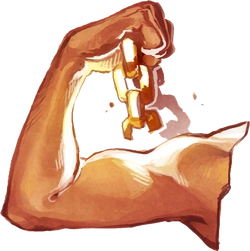 Once a mortal farm boy, Kurgess’s selfless sacrifice on the field of competition heralded his rise to godhood. Known as the Strong Man, Kurgess stands as both a champion and a shining example to those who seek athletic achievement and to give their all in competition, regardless of whether they are victorious or not.
Whether they’re priests or lay believers, Kurgessans believe strength of body and strength of character are the twin pillars that flank the gates of enlightenment, and most train tirelessly to achieve these ideals.
worshipers of Kurgess revel in their strength, eager to show off; this is motivated less by pride, however, than by a desire to inspire others to strive for their own potential.
Once a mortal farm boy, Kurgess’s selfless sacrifice on the field of competition heralded his rise to godhood. Known as the Strong Man, Kurgess stands as both a champion and a shining example to those who seek athletic achievement and to give their all in competition, regardless of whether they are victorious or not.
Whether they’re priests or lay believers, Kurgessans believe strength of body and strength of character are the twin pillars that flank the gates of enlightenment, and most train tirelessly to achieve these ideals.
worshipers of Kurgess revel in their strength, eager to show off; this is motivated less by pride, however, than by a desire to inspire others to strive for their own potential. -
Milani, The Everbloom
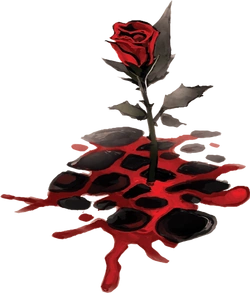 Milani is the patron mother of those who war against oppression.
Once a saint of Aroden’s faith, she rewards those willing to sacrifice their lives and use whatever tools are available to fight for those who cannot defend themselves, especially people who have been captured or enslaved.
Throughout Golarion, Milani is known as the Everbloom, as the symbol of her church is a beautiful rose growing from blood-soaked soil.
Milani’s church is organized into independent, clandestine cells of freedom fighters, rather than into traditional structures.
As a subtle tell to other Milanites of the structure’s true intent, these buildings usually feature a small rose garden or other rose iconography.
Milani is the patron mother of those who war against oppression.
Once a saint of Aroden’s faith, she rewards those willing to sacrifice their lives and use whatever tools are available to fight for those who cannot defend themselves, especially people who have been captured or enslaved.
Throughout Golarion, Milani is known as the Everbloom, as the symbol of her church is a beautiful rose growing from blood-soaked soil.
Milani’s church is organized into independent, clandestine cells of freedom fighters, rather than into traditional structures.
As a subtle tell to other Milanites of the structure’s true intent, these buildings usually feature a small rose garden or other rose iconography. -
Alseta, The Welcomer
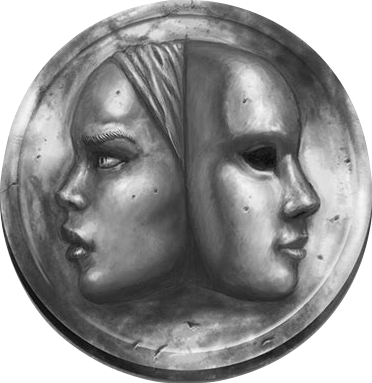 Alseta is the goddess of doorways, portals, thresholds, and the transition from year to year.
Also known as the Welcomer, she maintains favorable relations with most civilized deities, watching over their domains in times of their absence or playing hostess for gatherings of gods.
She is informally the goddess of teleportation, which comes with her dominion over doorways, though this additional aspect of her portfolio is unofficial.
She finds the majority of her following in Taldor.
Alseta is the goddess of doorways, portals, thresholds, and the transition from year to year.
Also known as the Welcomer, she maintains favorable relations with most civilized deities, watching over their domains in times of their absence or playing hostess for gatherings of gods.
She is informally the goddess of teleportation, which comes with her dominion over doorways, though this additional aspect of her portfolio is unofficial.
She finds the majority of her following in Taldor. -
Aroden, The Last Azlanti
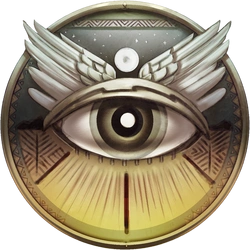 Aroden was an immortal Azlanti human who raised the Starstone from the bottom of the Inner Sea in 1 AR, founded the city of Absalom, and became the patron deity of humanity. He was once prophesied to lead humanity into an age of glory, but on the day of his supposed return, the god fell silent, leaving clerics of Aroden unable to reach their god, and catapulting Golarion into an uncertain future.
The gods might know his true fate, particularly Pharasma, but if they do, they have not revealed it to mortals.
Aroden was an immortal Azlanti human who raised the Starstone from the bottom of the Inner Sea in 1 AR, founded the city of Absalom, and became the patron deity of humanity. He was once prophesied to lead humanity into an age of glory, but on the day of his supposed return, the god fell silent, leaving clerics of Aroden unable to reach their god, and catapulting Golarion into an uncertain future.
The gods might know his true fate, particularly Pharasma, but if they do, they have not revealed it to mortals. -
Brigh, The Whisper In Bronze
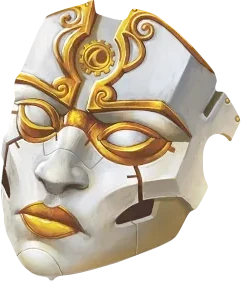 Brigh is the goddess of invention and seems to particularly favor creations that take on a life of their own, like clockworks or constructs.
Her exact origins are unknown. Some believe she was a construct who achieved consciousness and a spark of divinity, while others think she was a human alchemist and inventor who discovered ways to fuse mechanical components with her own physiology.
Regardless of her origins, Brigh is a patient and thoughtful god who promotes unending curiosity and constant intellectual advancement.
Creative minds who engage in the sort of invention that Brigh most favors are often not prone to worship, instead devoting themselves to invention instead.
As a result, her following is not very large.
Brigh is the goddess of invention and seems to particularly favor creations that take on a life of their own, like clockworks or constructs.
Her exact origins are unknown. Some believe she was a construct who achieved consciousness and a spark of divinity, while others think she was a human alchemist and inventor who discovered ways to fuse mechanical components with her own physiology.
Regardless of her origins, Brigh is a patient and thoughtful god who promotes unending curiosity and constant intellectual advancement.
Creative minds who engage in the sort of invention that Brigh most favors are often not prone to worship, instead devoting themselves to invention instead.
As a result, her following is not very large. -
Sivanah, The Seventh Veil
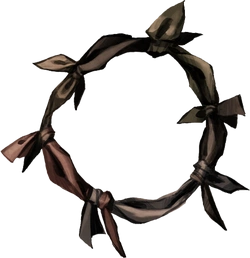 The Seventh Veil is widely regarded as the goddess of illusion magic, often portrayed as a figure disguised by seven veils.
Legends state that each face underneath the first six of her seven veils is of a different ancestry — human, elf, halfling, gnome, anadi, and naga — but the seventh face is never shown, believed to mask the goddess’s true form.
The goddess’s true nature and form continue to be topics of debate.
Even her female visage, while agreed upon by her followers, could likewise be an illusion.
Her goals are hidden from even her most faithful, which some believe has hampered the faith’s growth and influence beyond the level of a cult.
The Seventh Veil is widely regarded as the goddess of illusion magic, often portrayed as a figure disguised by seven veils.
Legends state that each face underneath the first six of her seven veils is of a different ancestry — human, elf, halfling, gnome, anadi, and naga — but the seventh face is never shown, believed to mask the goddess’s true form.
The goddess’s true nature and form continue to be topics of debate.
Even her female visage, while agreed upon by her followers, could likewise be an illusion.
Her goals are hidden from even her most faithful, which some believe has hampered the faith’s growth and influence beyond the level of a cult. -
Besmara, The Pirate Queen
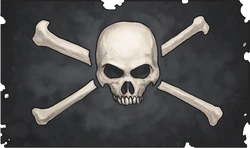 Besmara, the Pirate Queen, cuts a brash and bold figure, as she is often depicted wearing buccaneer apparel consisting of loose-fitting, eye-catching clothing and black boots, and her hair is wind-tossed on even the calmest day.
She sails her divine ship Seawraith across the planes, staging raids on Hell, Heaven, and all places in between.
She and her followers adhere to a simple code of greed: take what you desire, no matter who it might belong to.
Despite this, Besmara and her worshipers are generally loyal to one another, knowing that while on the waves raiding ships for treasure, a pirate crew can survive only if its members trust one another.
Besmara, the Pirate Queen, cuts a brash and bold figure, as she is often depicted wearing buccaneer apparel consisting of loose-fitting, eye-catching clothing and black boots, and her hair is wind-tossed on even the calmest day.
She sails her divine ship Seawraith across the planes, staging raids on Hell, Heaven, and all places in between.
She and her followers adhere to a simple code of greed: take what you desire, no matter who it might belong to.
Despite this, Besmara and her worshipers are generally loyal to one another, knowing that while on the waves raiding ships for treasure, a pirate crew can survive only if its members trust one another. -
Groetus, God of the End Times
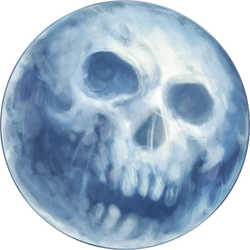 Ancient beyond mortal reckoning, Groetus is an entity who cannot be easily understood. He hangs in the sky above the Boneyard, a skull-faced moon constantly observing the passage of the souls below.
Legends say that when Pharasma judges the last living soul, Groetus will finally descend to meet her and then fade from existence as the Universe comes to an end.
The god has little preference on when this will happen and makes no efforts to either hasten or delay this final reckoning.
While it may seem strange that a deity who seems to actively disregard his worshipers continues to attract faithful followers, Groetus is sought out with morbid fascination by those who desire knowledge of the future.
Ancient beyond mortal reckoning, Groetus is an entity who cannot be easily understood. He hangs in the sky above the Boneyard, a skull-faced moon constantly observing the passage of the souls below.
Legends say that when Pharasma judges the last living soul, Groetus will finally descend to meet her and then fade from existence as the Universe comes to an end.
The god has little preference on when this will happen and makes no efforts to either hasten or delay this final reckoning.
While it may seem strange that a deity who seems to actively disregard his worshipers continues to attract faithful followers, Groetus is sought out with morbid fascination by those who desire knowledge of the future. -
Hanspur, The Water Rat
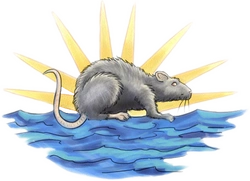 People often jump to the conclusion that Hanspur is a small god that cares only about the Sellen River, its tributaries in the River Kingdoms, and those who ply those waterways.
But this demigod believes that all people should be able to flow like rivers and not be dammed by laws or other imposed restrictions.
Freedom is of paramount import to Hanspur, who exhorts his followers to let no one stand in the way of achieving their goals.
This outlook makes the Water Rat a popular deity among smugglers, especially those who use rivers.
People often jump to the conclusion that Hanspur is a small god that cares only about the Sellen River, its tributaries in the River Kingdoms, and those who ply those waterways.
But this demigod believes that all people should be able to flow like rivers and not be dammed by laws or other imposed restrictions.
Freedom is of paramount import to Hanspur, who exhorts his followers to let no one stand in the way of achieving their goals.
This outlook makes the Water Rat a popular deity among smugglers, especially those who use rivers. -
Nocticula, The Redeemer Queen
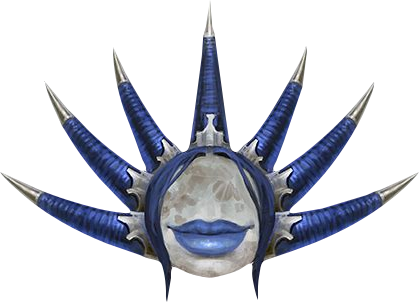 For most of her existence, Nocticula was a patron of assassins and succubi, a demon lord feared by other demon lords for her skill at assassinating the competition.
Those days are behind Nocticula, for she has risen to the role of the Redeemer Queen, a patron of marginalized artists and protector of those cast out from society.
She is now feared among her former peers for her persuasive words that tempt them away from their place in the Outer Rifts and toward redemption.
For most of her existence, Nocticula was a patron of assassins and succubi, a demon lord feared by other demon lords for her skill at assassinating the competition.
Those days are behind Nocticula, for she has risen to the role of the Redeemer Queen, a patron of marginalized artists and protector of those cast out from society.
She is now feared among her former peers for her persuasive words that tempt them away from their place in the Outer Rifts and toward redemption. -
Achaekek, He Who Walks In Blood
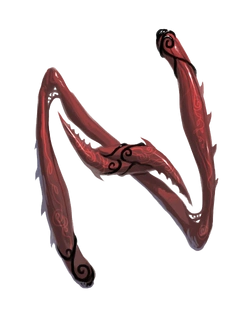 While Achaekek’s divine genesis is heavily debated among scholars, it is believed that he was created — either by the power of a singular deity or a group of them — to eradicate those who would steal a god’s divinity, and he has since become the enforcer of divine punishment.
Known as He Who Walks in Blood, he slumbers in the blood of heretics and worshipers alike in an immense cleft carved into the base of the Boneyard’s spire, a realm known as the Blood Vale.
He keeps no formal relationships with any other deities.
In response, even though some gods disapprove of Achaekek’s methods, few openly defy him.
While Achaekek’s divine genesis is heavily debated among scholars, it is believed that he was created — either by the power of a singular deity or a group of them — to eradicate those who would steal a god’s divinity, and he has since become the enforcer of divine punishment.
Known as He Who Walks in Blood, he slumbers in the blood of heretics and worshipers alike in an immense cleft carved into the base of the Boneyard’s spire, a realm known as the Blood Vale.
He keeps no formal relationships with any other deities.
In response, even though some gods disapprove of Achaekek’s methods, few openly defy him. -
Zyphus, The Grim Harvestman
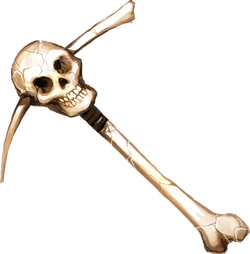 Legends say Zyphus rose from the soul of the first mortal to die from an accidental and meaningless death.
These legends hold that when this soul appeared in Pharasma’s Boneyard, he cursed the goddess and refused to accept her judgment, and instead escaped to become a god himself.
Some believe a darker truth: that Zyphus is the accident that killed this soul and all other mortals thereafter who befall fatal misfortune, that those who cannot accept their unfortunate demises turn their backs on life and are consumed by Zyphus, their souls forever gone from the cycle of life and death.
Legends say Zyphus rose from the soul of the first mortal to die from an accidental and meaningless death.
These legends hold that when this soul appeared in Pharasma’s Boneyard, he cursed the goddess and refused to accept her judgment, and instead escaped to become a god himself.
Some believe a darker truth: that Zyphus is the accident that killed this soul and all other mortals thereafter who befall fatal misfortune, that those who cannot accept their unfortunate demises turn their backs on life and are consumed by Zyphus, their souls forever gone from the cycle of life and death. -
Ghlaunder, The Gossamer King
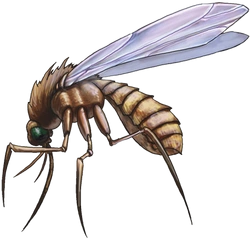 Ghlaunder is the god of pestilence, infection, and insects.
His form resembles that of a giant mosquito, warped and distended by the parasites he hosts.
He leaves malaise in his wake, laying waste to everything he can.
Ghlaunder revels in suffering, especially that caused by sickness: the last gasp of air into fluid-filled lungs, the terrorizing dreams that come only from the hottest of fevers.
It is said that the Gossamer King was once swaddled in a cocoon, but was released by the curious Desna into the world with a cleave of her starknife.
Since then, the goddess has pursued him in a macabre dance, hoping to kill him as they flit between planes.
Ghlaunder is the god of pestilence, infection, and insects.
His form resembles that of a giant mosquito, warped and distended by the parasites he hosts.
He leaves malaise in his wake, laying waste to everything he can.
Ghlaunder revels in suffering, especially that caused by sickness: the last gasp of air into fluid-filled lungs, the terrorizing dreams that come only from the hottest of fevers.
It is said that the Gossamer King was once swaddled in a cocoon, but was released by the curious Desna into the world with a cleave of her starknife.
Since then, the goddess has pursued him in a macabre dance, hoping to kill him as they flit between planes.
Folk-specific deities
It’s common for folk to have their own pantheon of deities. These deities can be distinct gods, alternate guises of other deities, demigods or simply powerful beings.
Dwarven deities
For the Dwarven pantheon, refer to their folk page.
Elven deities
For the Elven pantheon, refer to their folk page.
Gnomish deities
For the Gnomish pantheon, refer to their folk page.
Halfling deities
For the Halfling pantheon, refer to their folk page.
Kunek deities
For the Kunek pantheon, refer to their folk page.
Dragon Deities
Once vast and commonly worshiped by dragons, the draconic pantheon lost most of its following after a series of intense holy wars. Draconic philosophers came to the conclusion that the fighting was wasteful and that gods who allowed such behavior were not worthy of worship. As a result of draconic apathy towards their gods, several members of the pantheon simply died or vanished from the multiverse due to the lack of worship. Only the followers of Bahamut and Tiamat didn’t lose their faith toward their gods, and continue fighting to this day.
-
Dragon Deities
Deity Alignment Portfolio Domains Bahamut LG God of good, justice and metallic dragons Arcana, Life, Order, War Tiamat CE Godess of evil, destruction and chromatic dragons Death, Trickery
Miscellaneous Deities
What remains are deities that are notable, but difficult to catalogue due to their localized following.
-
Miscellaneous Deities
Deity Alignment Portfolio Domains Eadro N Merfolk god of the sea Nature, Ocean, Tempest Semuanya N Lizardfolk deity of survival Hunting, Life, Protection, Strength, Survival Skoraeus Stonebones N Stone giant god of knowledge and art Fate, Forge, Knowledge
Celtic Deities
It's said that something wild lurks in the heart of every soul, a space that thrills to the sound of geese calling at night, to the whispering wind through the pines, to the unexpected red of mistletoe on an oak - and it is in this space that the Celtic gods dwell.They sprang from the brook and stream, their might heightened by the strength of the oak and the beauty of the woodlands and open moor. When the first forester dared put a name to the face seen in the bole of a tree or the voice babbling in a brook, these gods forced themselves into being.
The Celtic gods are as often served by druids as by clerics, for they are closely aligned with the forces of nature that druids revere.
-
Deity Alignment Portfolio Domains The Daghdha CG God of weather and crops Agriculture, Nature, Tempest, Trickery, Winter Arawn NE God of life and death Death, Fate, Life, Repose Belenus NG God of sun, light and warmth Desert, Light Brigantia NG Goddess of rivers and livestock Agriculture, Life, Ocean Diancecht LG God of medicine and healing Life, Nature Dunatis N God of mountains and peaks Nature, Survival Goibhniu NG God of smiths and healing Forge, Knowledge, Life Lugh CN God of arts, travel and commerce Celebration, Forge, Knowledge, Life Manannan mac Lir LN God of oceans and sea creatures Nature, Ocean, Tempest Math Mathonwy NE God of magic Arcana, Fate, Knowledge Morrigan CE Goddess of battle Strength, War Nuada N God of war and warriors Forge, Strength, War Oghma NG God of speech and writing Arcana, Knowledge Silvanus N God of nature and forests Nature, Survival
Egyptian Deities
These gods are a young dynasty of an ancient divine family, heirs to the rulership of the cosmos and the maintenance of the divine principle of Ma’at - the fundamental order of truth, justice, law, and order that puts gods, mortal pharaohs, and ordinary men and women in their logical and rightful place in the universe.
The Egyptian pantheon is unusual in having three gods with the Death domain of different alignments. Anubis is the lawful neutral god of the afterlife, who judges the souls of the dead. Set is a chaotic evil god of murder, perhaps best known for killing his brother Osiris. Nephthys is a chaotic good goddess of mourning. Thus, although most clerics of the Death domain are villainous characters, clerics who serve Anubis or Nephthys need not be.
-
Deity Alignment Portfolio Domains Re-Horakhty LG God of the sun, ruler of the gods Balance, Desert, Life, Light, Order Anubis LN God of judgment and death Balance, Death, Order, Repose, Time Apep NE God of evil, fire and serpents Desert, Trickery Bast CG Goddess of cats and vengeance Hunting, Vengeance, War Bes CN God of luck and music Celebration, Luck, Trickery Hathor NG Goddess of love, music and motherhood Celebration, Charm, Life, Light, Protection Imhotep NG God of crafts and medicine Forge, Knowledge Isis NG Goddess of fertility and magic Arcana, Knowledge, Life Nephthys CG Goddess of death and grief Death, Repose Osiris LG God of nature and the underworld Hunting, Life, Nature, Repose, Survival Ptah LN God of crafts, knowledge and secrets Arcana, Fate, Forge, Knowledge Set CE God of darkness and desert storms Death, Desert, Tempest, Trickery Sobek LE God of water and crocodiles Nature, Ocean, Survival, Tempest Thoth N God of knowledge and wisdom Arcana, Knowledge
Norse Deities
Where the land plummets from the snowy hills into the icy fjords below, where the longboats draw up on to the beach, where the glaciers flow forward and retreat with every fall and spring - this is the land of the Vikings, the home of the Norse pantheon. It’s a brutal clime, and one that calls for brutal living. The warriors of the land have had to adapt to the harsh conditions in order to survive, but they haven’t been too twisted by the needs of their environment. Given the necessity of raiding for food and wealth, it’s surprising the mortals turned out as well as they did.
Their powers reflect the need these warriors had for strong leadership and decisive action. Thus, they see their deities in every bend of a river, hear them in the crash of the thunder and the booming of the glaciers, and smell them in the smoke of a burning longhouse.
The Norse pantheon includes two main families, the Aesir (deities of war and destiny) and the Vanir (gods of fertility and prosperity). Once enemies, these two families are now closely allied against their common enemies, the giants (including the gods Surtur and Thrym). Like the gods of Greyhawk, gods in different families sometimes have overlap in their spheres of influence: Frey (of the Vanir) and Odur (of the Aesir) are both associated with the sun, for example.
-
Deity Alignment Portfolio Domains Odin NG God of knowledge and war Fate, Knowledge, Order, Strength, War Aegir NE God of the sea and storms Ocean, Tempest, Winter Balder NG God of beauty and poetry Charm, Life, Light Forseti N God of justice and law Balance, Light Frey NG God of fertility and the sun Agriculture, Life, Light Freya NG Goddess of fertility and love Charm, Life Frigga N Goddess of birth and fertility Agriculture, Celebration, Life, Light, Protection Heimdall LG God of watchfulness and loyalty Light, Order, War Hel NE Goddess of the underworld Death, Repose Hermod CN God of luck Chaos, Fate, Luck, Trickery Loki CE God of thieves and trickery Chaos, Trickery Njord NG God of sea and wind Nature, Ocean, Tempest Odur CG God of light and the sun Desert, Light Sif CG Goddess of war Forge, Strength, War Skadi N God of earth and mountains Forge, Nature, Survival Surtur LE God of fire giants and war Forge, Order, Strength, War Thor CG God of storms and thunder Strength, Survival, Tempest, War Thrym CE God of frost giants and cold Survival, War, Winter Tyr LN God of courage and strategy Knowledge, War Uller CN God of hunting and winter Hunting, Nature, Survival, Winter